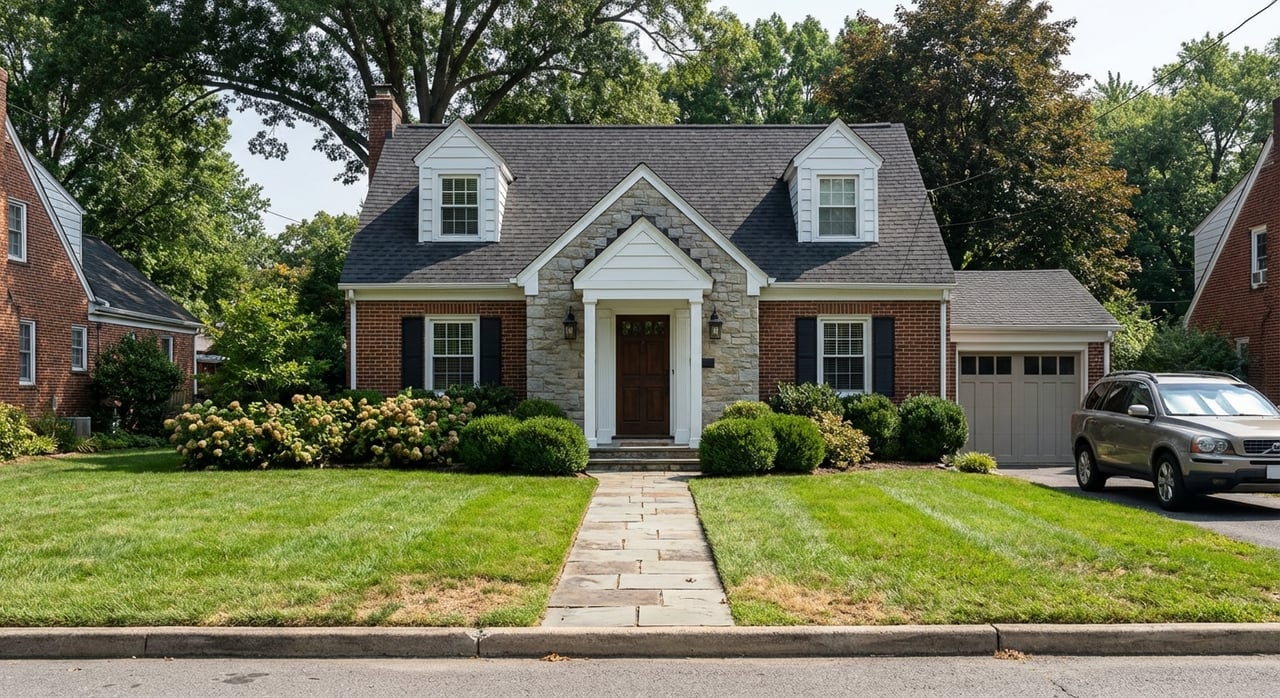
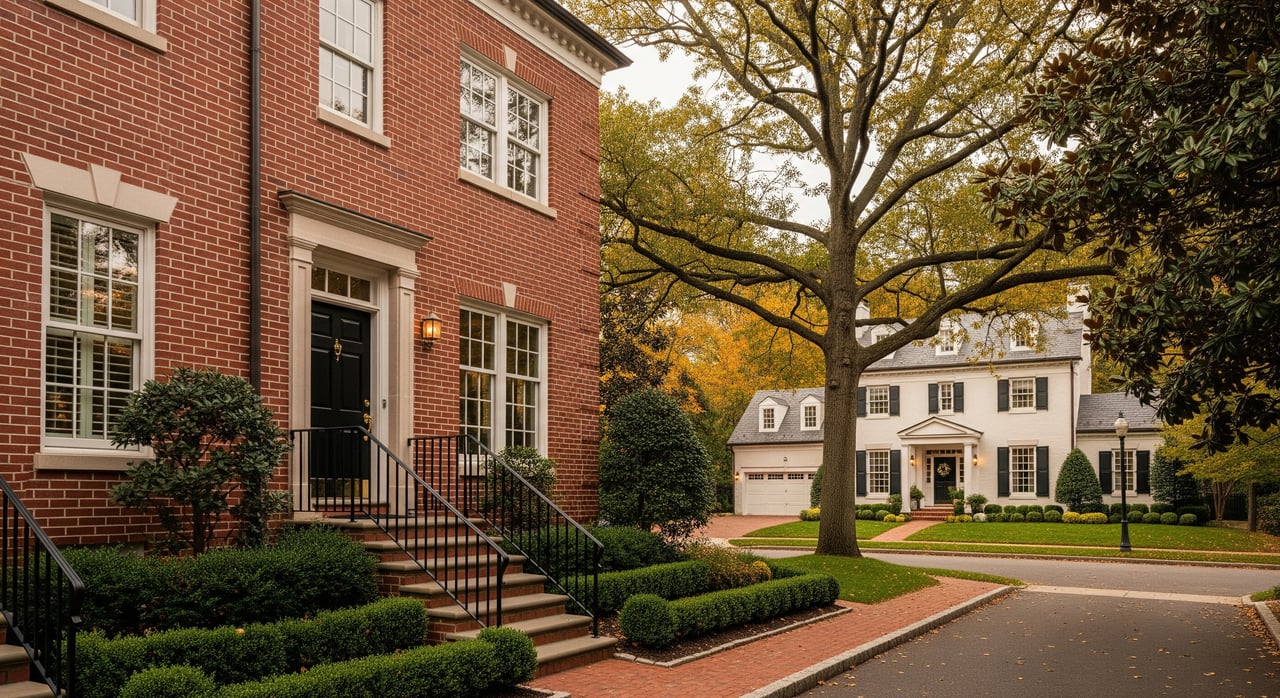
Trying to decide if your next Glen Burnie home should be in an HOA or outside of one? You are not alone. Many move-up families weigh the convenience of amenities and lower maintenance against the freedom and budget control that come with non-HOA neighborhoods. In this guide, you will learn how HOAs work in Anne Arundel County, what fees and rules to expect, and a practical checklist to compare options with confidence. Let’s dive in.
HOA vs no HOA in Glen Burnie
Glen Burnie offers a mix of condos, townhomes, and single-family neighborhoods. As families move up, you might trade into a larger single-family home or shift into a community with amenities. Your choice often comes down to lifestyle, time, and total monthly budget.
Anne Arundel County backdrop
Anne Arundel County sets land use, codes, and many public services. HOAs cannot override county code. Instead, they enforce private covenants that can be stricter than county rules. As you compare communities, check whether HOA rules simply mirror county standards or go further on items like fences, sheds, or parking.
Property types and what that means
- Condominiums: You own the interior of your unit, and the association maintains building systems and common areas.
- Subdivision HOAs: You own the home and lot. The HOA typically maintains shared spaces and may manage private roads.
- Master-planned developments: You could pay dues to both a neighborhood HOA and a master association that runs larger amenities.
Financing notes to know early
If you use FHA or VA financing for a condo, the project’s approval status can matter. Ask your lender early about eligibility and whether any HOA or condo rules could affect your loan.
What HOA fees cover
HOA and condo fees vary with property type, age, and amenities. Instead of focusing on a single number, look at the services you get and the association’s long-term plan.
Condominiums
Typical condo fees support building systems, exterior maintenance, roof, elevators where present, common area utilities, master insurance for common elements, and common-area trash and snow removal. You would usually carry a unit policy, often called an HO-6, for your interiors and personal property.
Subdivision HOAs
Neighborhood HOA dues are often lower than condo fees. They may cover common-area landscaping, entry features, private street upkeep, playgrounds, and sometimes snow removal or bulk trash for common areas. You typically handle your own home’s exterior and yard unless noted in the rules.
Master associations
In planned developments, a master HOA can collect dues for shared amenities, such as pools, clubhouses, and trails. You may pay more than one fee if there is both a neighborhood HOA and a master association.
What fees often include
- Common-area landscaping and tree care
- Private road, sidewalk, or path maintenance
- Pool, clubhouse, fitness rooms, tennis courts, or playgrounds
- Exterior maintenance in condos and certain “exterior maintenance” HOAs
- Trash and snow removal for private roads or common areas
- Reserve fund contributions for big future repairs
- Professional management, admin, legal, and collection costs
Fee variability and risk
Dues can increase over time. Special assessments can happen when reserves are not strong enough for major projects. Always review the current budget, recent financials, any reserve study, insurance coverage, and the history of assessments and delinquency.
Rules and covenants to expect
HOAs use covenants to keep a consistent look and manage shared spaces. Some rules are helpful. Others may not fit your plans. Read before you commit.
- Architectural control and exterior appearance: paint colors, fences, decks and patios, sheds, windows, solar panels, landscaping, and satellite dishes
- Use and parking rules: visitor parking limits, commercial vehicles, signage
- Leasing policies: minimum lease terms, rental caps, application steps
- Pet guidelines: size, number, breed limits, leash and waste rules
- Trash and recycling schedules and placement
- Noise and nuisance rules
- Age restrictions in certain developments
HOAs can levy fines and may place liens for unpaid dues in many jurisdictions. Ask about how rules are enforced, how hearings work, and the HOA’s track record.
Pros and cons for move-up families
Every family balances time, budget, and autonomy differently. Use this list as a quick filter.
Potential benefits of HOA living
- Lower day-to-day maintenance, especially in condos
- Family-friendly amenities like playgrounds, pools, walking paths, and clubhouses
- Consistent neighborhood appearance
- Shared planning and funding for big-ticket items such as roofs or private roads
Potential drawbacks
- Monthly or annual fees that reduce cash flow and can rise over time
- Less control over exterior changes, landscaping, and storage
- Rules that may conflict with plans, such as renting a room or pet choices
- Governance risk if reserves are weak or if the board is not transparent
For many Glen Burnie families, the tradeoff is clear. If you want a bigger yard and full freedom, a non-HOA single-family lot can be appealing. If you prefer convenience and amenities, an HOA community can reduce time spent on upkeep.
Due-diligence checklist for Glen Burnie buyers
Request documents early and read the parts that affect your daily life and your budget. If allowed, include an HOA document review contingency in your contract.
Documents to request
- CC&Rs, bylaws, and rules and regulations
- Current budget and most recent financial statements
- Reserve study and funding policy, if available
- Board and annual meeting minutes for the past 12 to 24 months
- Association insurance certificate, with coverages and deductibles
- List of current dues and any pending or approved special assessments
- Upcoming capital projects and expected timelines
- HOA contacts and management company contract, if managed
- Delinquency information or a statement on owner payment rates
- Litigation disclosures
- Rental policy and current rental cap status
- Parking and visitor rules, if relevant
Actions to take
- Read covenants for lifestyle items such as fences, play equipment, patios, and solar
- Confirm whether streets are public or private and who maintains them
- Ask for a history of special assessments and why they were needed
- Clarify owner insurance requirements and any gaps
- Speak with current residents about enforcement style and amenity condition
- Verify permits and zoning with Anne Arundel County if you plan additions or rental use
- If using FHA or VA financing for a condo, ask your lender about project approval
Key questions to ask
- What exactly do the fees cover, including utilities, trash, snow, and landscaping?
- Have dues increased in the past 3 to 5 years? Are increases expected?
- Any planned capital projects in the next 3 to 5 years? Possible assessments?
- What is the reserve fund status? Is there a recent reserve study?
- Any current or recent lawsuits?
- How are rules enforced and escalated?
- Are there rental restrictions for rooms or the whole home?
- Are streets private, and who maintains them?
- What insurance does the HOA carry, and what must the owner cover?
- Who serves on the board or manages the community? Can you see recent minutes?
Red flags
- Weak reserves and frequent special assessments
- High delinquency rates among owners
- Active or repeated litigation
- Limited transparency and missing meeting minutes
- Rules that block your intended use
Decision framework for move-up families
Use this step-by-step approach to reach a confident decision.
Step 1: Define priorities
- Amenities versus private yard space
- Time available for yard and exterior maintenance
- Plans to rent part or all of the property
- Pet needs and any potential rule conflicts
Step 2: Budget the full cost
- Add estimated HOA or condo fees to your total monthly housing cost
- Build in room for future fee increases or special assessments
Step 3: Test lifestyle fit
- Compare specific HOA rules to your routines, such as vehicles, drop-offs, or holiday displays
- Check commute routes, school assignments, and nearby parks relative to community amenities
Step 4: Run a risk check
- Review financial health and any lawsuits
- Avoid associations with unclear reserves or governance issues
Step 5: Think resale
- Ask your agent how similar HOA and non-HOA homes have resold nearby
- Some buyers value amenities and low upkeep, while others prefer lot size and flexibility
Local next steps and who to call
- Anne Arundel County: Verify permits, zoning, public services, and whether streets are public or private.
- Anne Arundel County Public Schools: Confirm school assignment boundaries if that is part of your decision.
- Maryland SDAT: Review property records and assessments.
- Lender: Confirm financing requirements, especially for condos and any FHA or VA considerations.
- Real estate and legal pros: Ask your agent for neighborhood norms and consider an attorney if you need help interpreting covenants.
Ready to compare specific Glen Burnie neighborhoods or to review an HOA’s financials together? Reach out to Lauren H. Thompson to Request a Free Home Valuation or Schedule a Personal Consultation. You will get clear guidance, local insight, and a plan that fits your family.
FAQs
What is the difference between a condo association and an HOA in Glen Burnie?
- Condos typically maintain building systems and common elements, while subdivision HOAs focus on shared spaces and sometimes private roads; owners of single-family homes usually handle their own exteriors.
Can an HOA in Anne Arundel County override county rules?
- No, HOAs cannot override county code; they enforce private covenants that may be stricter, so review both county requirements and HOA rules.
How much are HOA or condo fees in Glen Burnie?
- Fees vary widely by property type, age, and amenities; focus on what services are included, reserve strength, and the history of increases or special assessments.
Do I need FHA or VA approval to buy a condo with those loans?
- If you use FHA or VA financing for a condo, your lender may require the project to be approved; check eligibility early in your search.
What should I look for in HOA financials?
- Review the current budget, recent financials, any reserve study, insurance coverage, delinquency rates, and the history of assessments to gauge stability.
How do HOAs affect resale in Glen Burnie?
- Buyer preferences vary; some prioritize amenities and low maintenance, while others want larger lots and more autonomy, so discuss nearby sales with your agent.