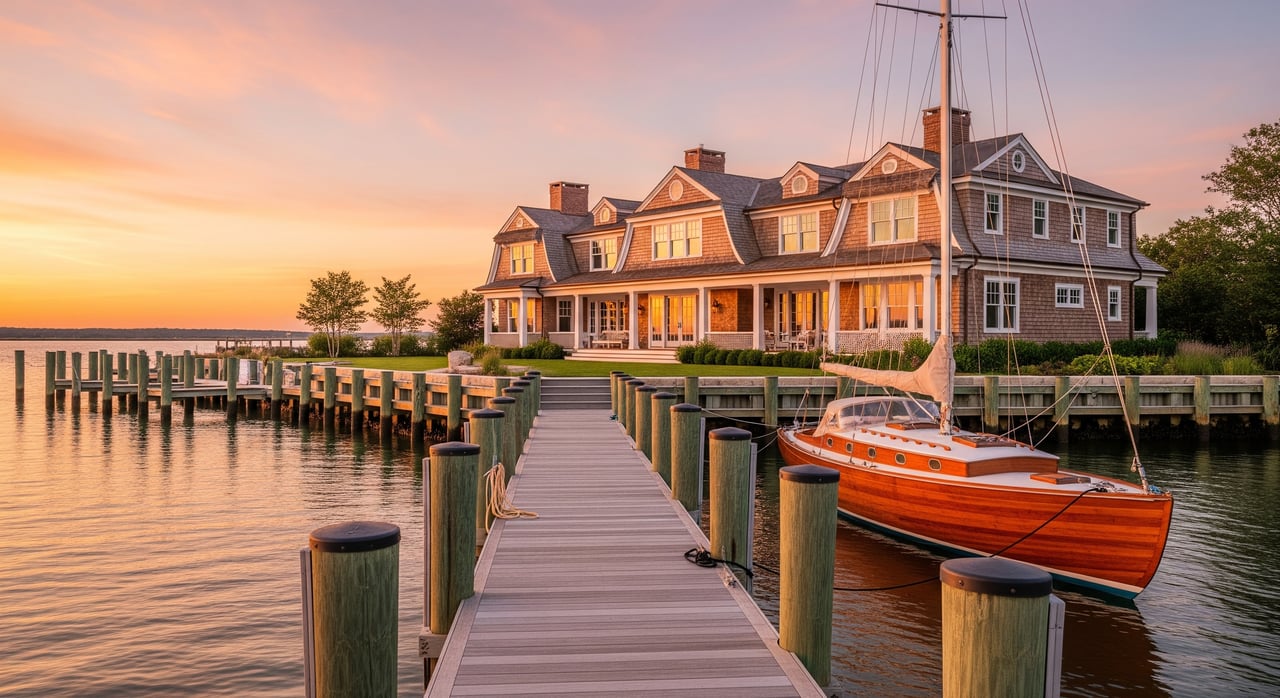
What It’s Like To Live On The Water In Annapolis
Imagine sipping your morning coffee as sails glide past and ospreys circle over the Severn. If you are daydreaming about living on the water in Annapolis, you are not alone. You might also be wondering which creek fits your lifestyle, what boating looks like day to day, and how to plan for flood insurance and maintenance. This guide walks you through the neighborhoods, home types, boating life, and practical costs so you can move forward with confidence. Let’s dive in.
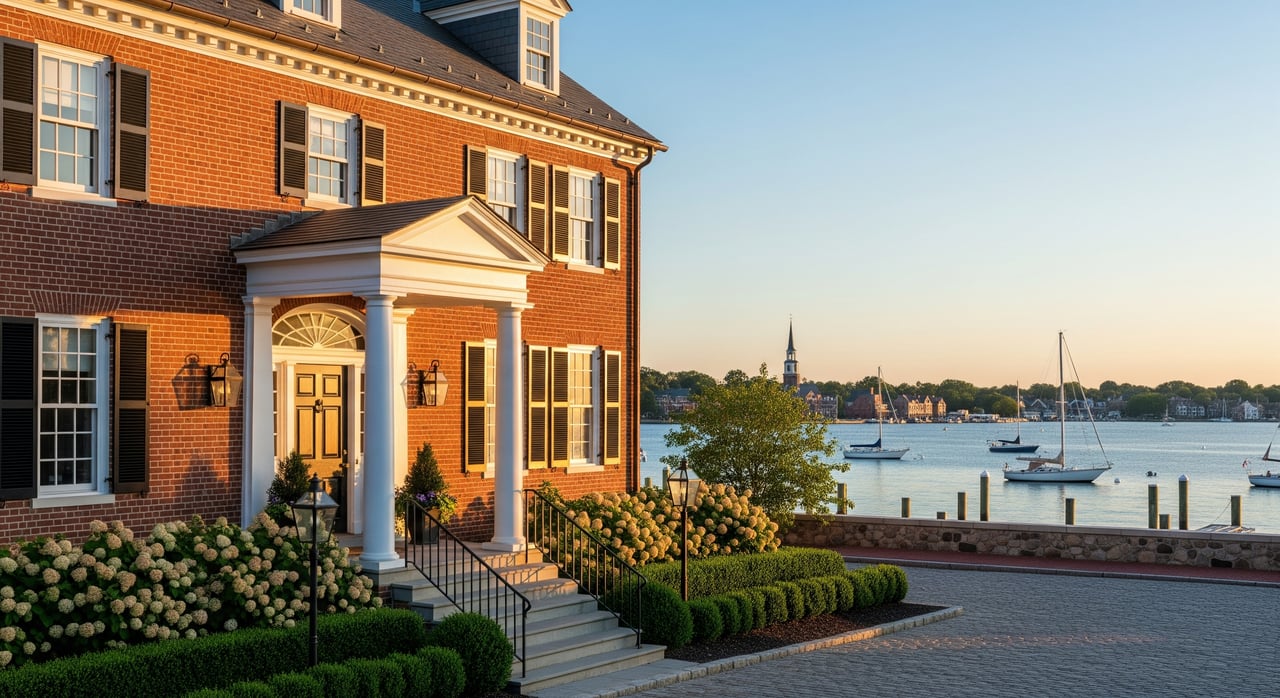
Downtown puts you at the heart of Annapolis’ maritime scene on Spa Creek and Ego Alley. It is historic, walkable, and energetic, especially during festivals and boat shows. You can watch boats parade through Ego Alley and stroll to restaurants, galleries, and the U.S. Naval Academy. For a feel of the waterfront vibe and events calendar, explore the visitor overview of City Dock and Ego Alley.
Across Spa Creek, Eastport has a tight‑knit boating community with small businesses and neighborhood marinas. You will find a mix of historic cottages and updated homes, plus quick access to the Harbor and Bay. Many residents choose Eastport for an easygoing pace and active sailing scene.
Up the creeks and along the Severn River, life feels more residential and private. Many homes have docks, lifts, and larger yards. You trade tourist crowds for a quieter, classic waterfront rhythm with room for kayaks, SUPs, and lawn games.
Along the Bay and at the mouths of larger creeks, you get wide views and deep water. These properties often sit on larger lots and may include substantial private piers, lifts, and custom features. The setting is more exposed to wind and weather and often appeals to avid boaters who want direct Bay access.
In Anne Arundel County, several communities offer HOA‑managed marinas, community docks, and amenities. Some allow slip rentals for residents who are not directly on the water. This setup gives you the boating lifestyle with less hands‑on maintenance.
Waterfront or water‑view condos and townhomes offer low‑maintenance living with a front‑row seat to the action. Some communities include shared slips, transient dockage, or HOA marinas. If you want walkability and less yard work, this can be a smart entry point into the waterfront lifestyle.
Downtown and Eastport have historic homes that blend character with modern updates. Lots are smaller and highly walkable to dining and culture. You are buying a lifestyle as much as a house, with the boating scene right outside your door.
Along the creeks and Severn River, you will see a range of homes from mid‑century to new builds. Many include private docks, lifts, and more land than in-town options. This is a great match if you want extra space and a quieter setting.
Bayfront and deepwater properties often showcase custom design, multiple garages, elevated foundations, and substantial piers. The goal is easy boat handling, excellent water depth, and premium finishes. Privacy and big views are common priorities here.
Not all buyers need direct waterfront. Many neighborhoods offer deeded or community water access, launch ramps, or slip rentals. You get the boating lifestyle at a lower price point and with reduced maintenance.
Pricing varies widely based on water depth, dock rights, bulkheads or seawalls, and proximity to downtown. For an up‑to‑date market snapshot, review current data for Annapolis on Zillow’s home values page and the Realtor.com market overview.
When you live on the water in Annapolis, your calendar tends to follow the wind and tide.
Access options:
Popular activities:
Traditions and events:
Safety and rules:
Annapolis is tidal, so water levels rise and fall daily. During storms and seasonal high tides, some areas can experience flooding. Before you make an offer, review FEMA flood maps, the property’s elevation, and likely insurance needs. Start with the FEMA Map Service Center to understand your flood zone.
Lenders often require flood insurance if a home sits in a Special Flood Hazard Area. Standard homeowners policies usually exclude flood damage, so you may need a separate NFIP or private flood policy. Underwriting can consider foundation type, height of living spaces, and mitigation features like breakaway walls.
Waterfront ownership often involves shoreline care and structures. Building or repairing docks, bulkheads, seawalls, and lifts typically requires permits from state and local agencies. Learn more through the Maryland Department of the Environment and Anne Arundel County government for site‑specific rules and timelines.
Tides matter for daily life and boat handling. Many residents keep an eye on local tide predictions through NOAA Tides and Currents when planning cruises, fishing, or lift adjustments.
Owning on the water means steady upkeep. Plan for:
Most days are about views, fresh air, and easy access to the Bay. Kayaks slide into calm creeks at sunrise and friends linger at dockside BBQs. Summer brings a lively boating scene and festival energy near downtown. Winter is quieter, with time for boat projects and shoreline work.
Like any lifestyle, there are trade‑offs.
Pros:
Cons:
Use this checklist to compare properties and prevent surprises:
Start by picturing your daily routine. Do you want walkable dinners by City Dock, or space and privacy up a quiet creek? Think about your boat size, water depth, and how often you plan to be on the Bay. Weigh insurance and maintenance against the access and views you want.
When you are ready, partner with a local advisor who knows the shoreline, the marinas, and the permitting maze. If you want clear guidance and a plan tailored to your lifestyle, connect with Lauren H. Thompson. Request a Free Home Valuation or Schedule a Personal Consultation.

We are dedicated to helping you find your dream home and assisting with any selling needs you may have. Contact us today to start your home searching journey!