Trying to decide between a Laurel townhouse and a single-family home? You are not alone. Many buyers along the I-95 corridor weigh commute convenience against more space and flexibility. You want a home that fits your day-to-day life without stretching your budget or your weekends on maintenance.
This guide walks you through the trade-offs in maintenance, outdoor space, privacy, budget, and resale. You will also get a quick decision checklist and a practical touring plan tailored to Laurel. Let’s dive in.
Laurel snapshot: commute and housing mix
Laurel sits along I-95 between Washington, D.C., and Baltimore, which makes commute time and highway access a major driver for buyers. Regional commuter rail and bus options serve the area, and proximity to job centers often influences how much space buyers prioritize.
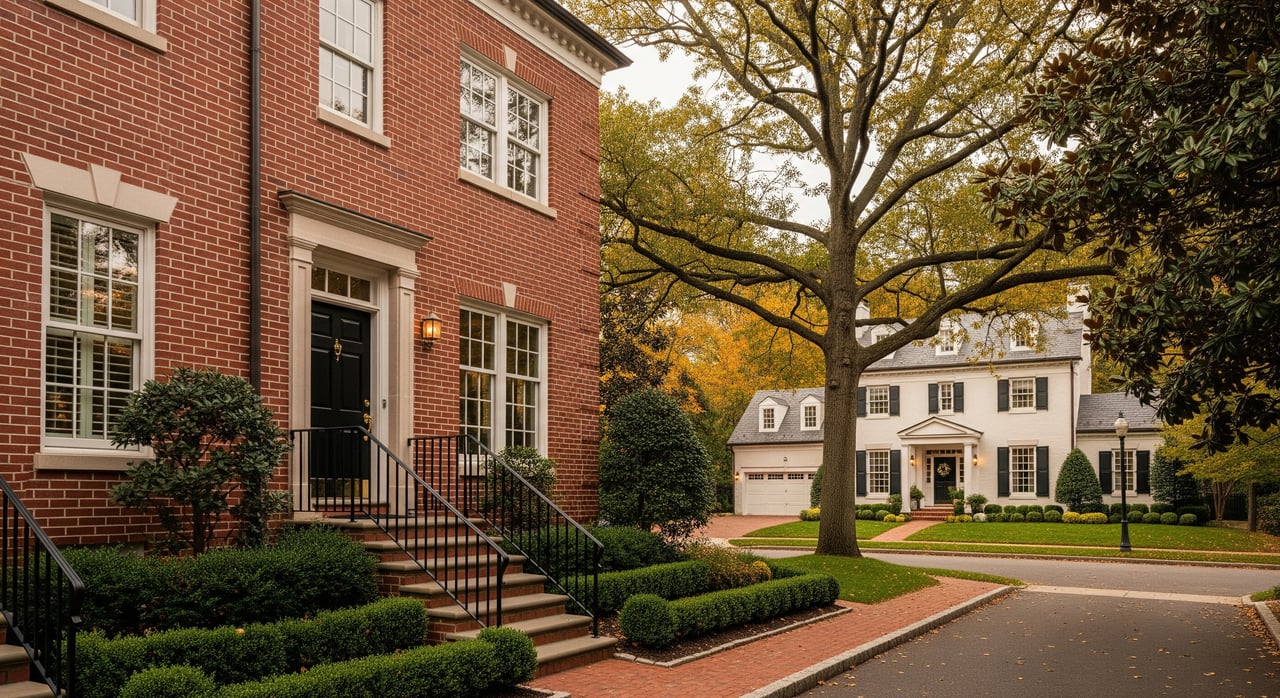
Housing choices include established neighborhoods, garden-style and traditional townhome communities, and newer subdivisions with both townhouses and single-family homes. Many townhome communities are governed by homeowners associations, while single-family homes may or may not be in an HOA.
Maintenance: time vs control
Maintenance is one of the biggest differences between attached and detached homes. Think about how much control you want and how much time you can invest.
Townhome maintenance
Townhomes often come with HOA support for certain exterior items. In many communities, the HOA may handle elements like common-area landscaping, snow removal, trash, and sometimes exterior painting or roof projects. You still maintain your interior systems.
What to evaluate and ask:
- Request the full HOA packet: CC&Rs, bylaws, budget, reserve study, meeting minutes, and master insurance details.
- Confirm what the HOA covers and where your responsibilities begin, including roof, siding, decks, and fences.
- Ask about any planned or recent special assessments and fee history.
Cost considerations:
- HOA fees create predictable monthly costs and time savings but add to carrying costs.
- Older communities can face capital repairs, so review reserve studies and budgets carefully.
Single-family maintenance
With a detached home, you control the entire property and most decisions, but you also take on all exterior upkeep.
What to evaluate and ask:
- Check age and condition of roof, HVAC, windows, siding, and major systems.
- Ask for repair history and permits for any large projects or additions.
- Get estimates for upcoming work from local contractors during your contingency period.
Cost considerations:
- Build a yearly maintenance budget for routine items and plan for larger capital projects over time.
Outdoor space: how you want to live
Think about how you use the outdoors on a weekly basis. Do you garden, entertain, or need room for pets and play?
Townhome outdoor space
Most townhomes offer modest private outdoor areas such as patios, decks, or small backyards, plus access to shared open space like courtyards and tot lots. Lot lines are tighter, which can limit large additions, accessory buildings, or pools.
What to evaluate and ask:
- Confirm actual usable yard or patio square footage and whether it is fully fenced.
- Check HOA rules for fences, sheds, decks, and exterior changes.
- Look at orientation for sunlight, drainage patterns, and any easements that affect use.
Single-family outdoor space
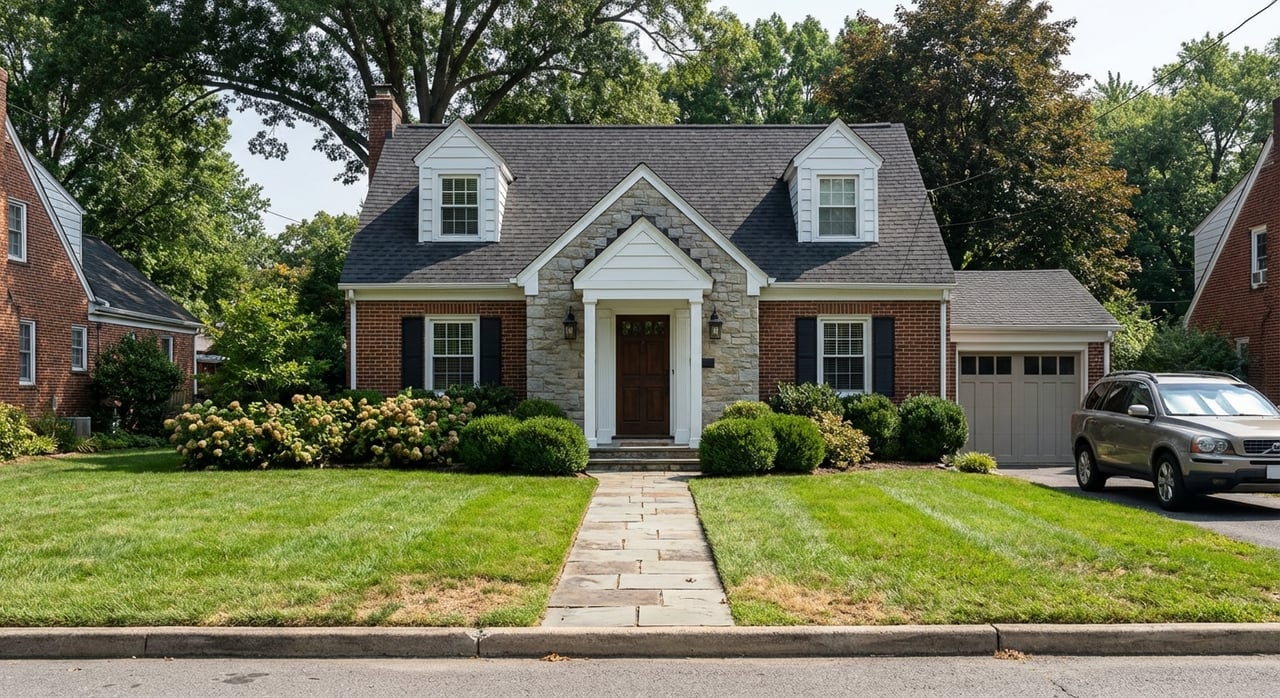
Detached homes typically provide larger yards, greater setbacks, and more room for gardens, sheds, and expansions.
What to evaluate and ask:
- Review lot size, topography, and any stormwater or floodplain considerations.
- Confirm zoning, setbacks, and lot coverage rules for future projects.
- Assess mature trees, shade, and water flow away from the foundation.
Privacy and noise: daily comfort
Your comfort at home is tied to privacy and sound. Construction type and location matter.
Townhome privacy
Shared walls can reduce acoustic privacy, and parking areas may sit close to entries. Many newer or well-built communities use materials and assemblies that limit sound transfer.
What to evaluate and ask:
- Ask about construction type, insulation, and any noise-reduction upgrades.
- Stand in bedrooms and living spaces to listen for neighbor noise during busy hours.
- Review parking layout and guest parking patterns that affect privacy.
Single-family privacy
Detached homes offer separation from neighbors and more options for fencing and landscaping to create private spaces.
What to evaluate and ask:
- Visit during peak commute times to gauge traffic noise, especially near I-95 or major arterials.
- Consider bedroom orientation relative to roads and neighboring homes.
- Plan how landscaping or fencing could enhance privacy.
Budget and total cost of ownership
Affordability is more than the purchase price. Compare monthly and long-term costs for both options.
Key components to include:
- Purchase price, down payment, interest rate, and loan type.
- Homeowners insurance and private mortgage insurance if applicable.
- Property taxes and any municipal or special district fees.
- HOA dues for townhomes, and utilities for all property types.
- Routine maintenance and likely capital expenses.
Financing and programs to consider:
- First-time buyer and down payment assistance may be available through Maryland and Prince George’s County. Eligibility changes from year to year, so verify current options.
- Attached properties are financeable, but some loan products have different rules for townhomes compared to detached homes. Confirm requirements with your lender.
Practical tips:
- Compare two-year and five-year scenarios that include potential HOA fee increases for a townhome or a major roof or HVAC replacement for a single-family home.
- Clarify insurance. Townhome owners may need HO-6 or HO-3 coverage that coordinates with the community’s master policy.
Resale and appreciation: thinking ahead
Your exit strategy matters, even if you plan to stay for several years.
Factors that influence resale:
- Lot size, bedroom and bathroom count, parking, and transit access.
- HOA health for attached communities, including reserves and assessment history.
- Supply and demand for townhomes versus single-family homes in Laurel.
Market dynamics to keep in view:
- Inventory levels and buyer demand shift over time. New townhouse developments can influence future competition and pricing. If you are eyeing a particular neighborhood, watch its new construction pipeline and any zoning updates nearby.
Quick decision guide
Use these questions to hone your fit. If you answer yes to a statement, consider the matching property type and then verify the items listed.
Low maintenance and predictable monthly costs are top priorities.
- Consider: Townhome.
- Verify: HOA packet, fee history, reserve study, and any assessments.
Private outdoor space, expansion potential, and full control matter most.
- Consider: Single-family.
- Verify: Lot dimensions, setback and zoning rules, and major systems’ condition.
Budget is tight but commute convenience is critical.
- Consider: Townhome, which often offers a lower entry price in many suburban markets and proximity to transit options.
- Verify: Current price split in Laurel and your commute trade-offs.
Noise, privacy, and broad resale appeal are important.
- Consider: Single-family for separation and flexibility, while noting that attached homes near transit nodes can also see strong demand.
You may rent the home in the future or plan to downsize later.
- Consider: Both can work. Townhomes can offer maintenance predictability for tenants, and detached homes can offer wider appeal. Check local rental demand for each type.
How to tour smart in Laurel
A focused plan helps you compare apples to apples and avoid surprises.
Before the tour
- Pull the listing and 3 to 6 months of comparable sales for similar property types.
- For townhomes, request the HOA packet, including budget, reserve study, rules, minutes, and master insurance.
- Confirm school attendance boundaries, local amenities, and transit options that match your commute windows.
- Schedule at least one visit during peak times to assess traffic, parking, and noise.
On-site checklist
- Shared elements for townhomes: evaluate rooflines, gutters, siding consistency, landscaping, and the condition of trash and parking areas.
- Private systems: check roof age, windows, HVAC, plumbing, water heater, electrical panel, and look for water staining or settlement cracks.
- Outdoor space: measure usable yard or patio area, check drainage and any easements, and examine fence condition.
- Privacy and noise: listen from bedrooms and living spaces for neighbor or roadway noise, and note bedroom placement.
- Parking and storage: confirm assigned spaces, guest parking, garage size, and storage options like attics or basements.
- Documentation: request recent utility bills, inspection reports, repair receipts, and permit history.
Post-tour due diligence
- Order a professional home inspection and review findings in detail.
- For townhomes, review HOA financials and minutes for upcoming projects or assessments.
- Get at least two contractor estimates for any major items flagged during inspection.
- Run location checks that matter to you, including floodplain maps and planned nearby developments.
What works for you? Next steps
Your best choice lines up your commute, weekend routine, and budget with the right property type and neighborhood feel. If you want lower maintenance and predictable monthly costs, a townhome may be the fit. If you want room to grow, private outdoor space, and full control, a single-family home may be worth the added upkeep.
If you would like a customized side-by-side comparison based on your price range, commute, and timing, schedule a brief consultation with Lauren H. Thompson. You will get practical guidance, a shortlist of communities that match your goals, and a touring plan that helps you decide with confidence.
FAQs
What should Laurel buyers review in a townhome HOA packet?
- Request CC&Rs, bylaws, budget, reserve study, recent meeting minutes, and master insurance details, then confirm maintenance responsibilities and any planned assessments.
How do property taxes and fees impact my Laurel budget?
- Include county property taxes, any municipal or special district fees, plus HOA dues if applicable, then compare two-year and five-year scenarios to understand total costs.
What inspections are smart for single-family homes in Laurel?
- A full home inspection is essential, and you should also evaluate roof, HVAC, windows, and siding, then obtain permits and repair receipts for recent work.
Are Maryland or Prince George’s County first-time buyer programs an option?
- Many buyers qualify based on income, price limits, and occupancy rules, so check current state and county programs with your lender and confirm eligibility and availability.
How can I judge commute trade-offs between townhomes and single-family homes?
- Visit during typical commute windows, review transit options that serve Laurel, and balance time savings against space, maintenance, and monthly costs.
Can I add a fence, shed, or deck to my Laurel property?
- Check county zoning, lot coverage limits, and any HOA rules before planning projects, then confirm permits and approvals to avoid costly changes later.